
For my studies of history:
- Backing Hitler: Consent and Coercion in Nazi Germany by Robert Gellately
- The Big Myth: How American Business Taught Us to Loathe Government and Love the Free Market by Naomi Oreskes and Erik Conway
- Born in Blackness: Africa and the Making of the Modern World by Howard French
- The Earth Transformed by Peter Frankopan
- The Gun, the Ship and the Pen: Warfare, Constitutions and the Making of the Modern World by Linda Colley
- To Hell and Back, Europe 1914-1949 by Ian Kershaw
- Imagining the Balkans by Maria Todorova
- Legal Traditions of the World: Sustainable Diversity in Law by H. Patrick Glenn
- Maoism: A Global History by Julia Lovell
- The Missing of the Somme by Geoff Dyer
- Owning the Earth: The Transforming History of Land Ownership by Andro Linklater
- Persecution and Toleration: The Long Road to Religious Freedom by Noel Johnson and Mark Koyama
- Power and Progress: our 1000-year struggle over technology and prosperity by Daron Acemoglu and Simon Johnson
- Revolutionary Spring: Fighting for a New World 1848-1849 by Christopher Clark
- Silk Roads: Peoples, Cultures, Landscapes by Susan Whitfield and others
- A Spectre, Haunting: On the Communist Manifesto by China Miéville
- The Wealth and Poverty of Nations: Why some are so Rich and some are so Poor by David Landes
- What makes Civilization? The Ancient Near East and the Future of the West by David Wengrow

On writing:
- The New Journalism by Tom Wolfe
- A Field Guide for Immersion Writing by Robin Hemley
- Finding the News by Peter Copeland
- High Notes by Gay Talese
- The Outsider: My Life in Intrigue by Frederick Forsyth
- Personal History by Vincent Sheean
- The Pirates of Somalia: Inside their Hidden World by Jay Bahadur
- Plot & Structure by James Scott Bell
- Reacher said Nothing by Andy Martin
- Red, Black, Blond and Olive by Edmund Wilson
- Rotten Rejections by Andre Bernard
- Stein on Writing by Sol Stein
- A Swim in a Pond in the Rain by George Saunders
- Ten Novels and their Authors by William Somerset Maugham
- My Unwritten Books by George Steiner
- A Writer’s Life by Gay Talese
- The Writer’s Portable Mentor by Priscilla Long
- Writing Blue Highways by William Least Heat-Moon

About Eastern Europe:
- Black Sea by Neal Ascherson
- Cold War Spy Stories from Eastern Europe by Corina Petrescu, Valentina Glajar and Alison Lewis
- Cold War, Warm Hearts by Bridget Ashton
- A Country in the Moon: Travels in Search of the Heart of Poland by Michael Moran
- Free: Coming of Age at the End of History by Lea Ypi
- Goodbye Eastern Europe by Jacob Mikanowski
- History and Myth in Romanian Consciousness by Lucian Boia
- The Future is History: how Totalitarianism reclaimed Russia by Masha Gessen
- The Humorless Ladies of Border Control: Touring the Punk Underground from Belgrade to Ulaanbaatar by Franz Nicolay
- McMafia: Seriously Organized Crime by Misha Glenny
- Montenegro by Starling Lawrence
- The Shoemaker and his Daughter by Conor O’Clery
- How we survived Communism and even laughed by Slavenka Drakulic
- Inventing Eastern Europe by Larry Wolff
- Everything was forever, until it was no more: the last Soviet generation by Alexei Yurchak
- Odessa by Charles King
- Red Hangover by Kristen Ghodsee
- A Russian Journal by John Steinbeck

About South America:
- Brazilian Adventure by Peter Fleming
- Every Day the River Changes: Four Weeks Down the Magdalena by Jordan Salama
- Land without Evil: Utopian Journeys in the South American Watershed by Richard Gott
- Lines in the Water: Nature & Culture at Lake Titicaca by Benjamin Orlove
- Marching Powder: a true Story of Friendship, Cocaine and South America’s Strangest Jail by Thomas McFadden and Rusty Young
- Nazis and Good Neighbors: The United States Campaign against the Germans of Latin America in World War II by Max Paul Friedman
- Short Walks from Bogotá: Journeys in the New Colombia by Tom Feiling
- A Small Place by Jamaica Kincaid

On travel:
- Arabian Sands by Wilfred Thesiger
- An Atlas of Extinct Countries by Gideon Defoe
- Beneath another Sky by Norman Davies
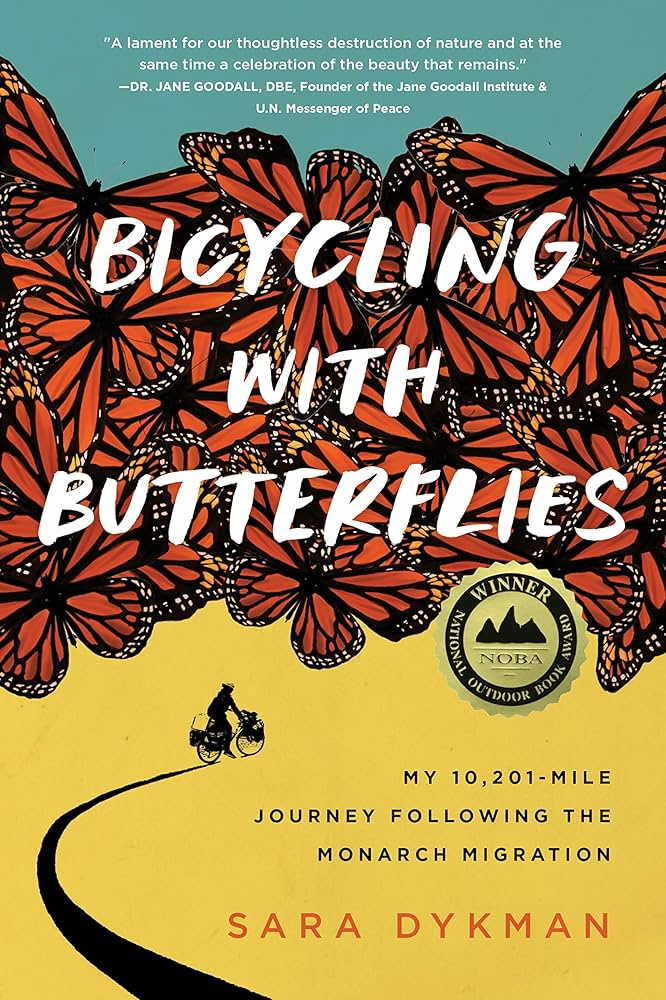
- Bicycling with Butterflies by Sara Dykman
- Borderline Citizen: Dispatches from the Outskirts of Nationhood by Robin Hemley
- Destinations by Jan Morris
- Driving with Strangers: What Hitchhiking tells us about Humanity by Jonathan Purkis
- Eastern Horizons: Hitchhiking the Silk Road by Levison Wood
- The Gentle Art of Tramping by Stephen Graham
- Ghost Train to the Eastern Star by Paul Theroux
- The Global Politics of Contemporary Travel Writing by Debbie Lisle
- The Granite Kingdom: A Cornish Journey by Tim Hannigan
- The Heart of the World by Nik Cohn
- Here, There, Elsewhere by William Least Heat-Moon
- The Hero’s Way: Walking with Garibaldi from Rome to Ravenna by Tim Parks
- Hitchhiking in the Axis of Evil by Juan Pablo Villarino
- Hitchhiking: Cultural Inroads by Patrick Laviolette
- Journeys by Jan Morris
- The Land Beyond: A Thousand Miles on Foot through the Heart of the Middle East by Leon McCarron
- Lonesome Traveler by Jack Kerouac
- The Marches: A Borderland Journey between England and Scotland by Rory Stewart
- The Marsh Arabs by Wilfred Thesiger
- My Midsummer Morning by Alastair Humphreys
- Pass the Butterworms by Tim Cahill
- The Pillars of Hercules: A Grand Tour of the Mediterranean by Paul Theroux
- Journey to Portugal by José Saramago
- Riding toward Everywhere by William Vollmann
- Road Fever by Tim Cahill
- Round Ireland with a Fridge by Tony Hawks
- The Royal Road to Romance by Richard Halliburton
- The Rule of the Land: Walking Ireland’s Border by Garrett Carr
- Shadow City: A Woman Walks Kabul by Taran Khan
- Slow Trains around Spain by Tom Chesshyre
- Stranger on a Train: Daydreaming and Smoking around America by Jenny Diski
- A Tourist in the Arab Spring by Tom Chesshyre
- A Traveller’s Life by Eric Newby
- The Traveller’s Tree by Patrick Leigh Fermor
- Travels with Charley by John Steinbeck
- Two Thumbs Out: Hitchhiking Adventures in 1950s Europe by Peggy Boyd
- As I Walked out one Midsummer Morning by Laurie Lee
- When the Going was Good by Evelyn Waugh
- White Sands: Experiences from the Outside World by Geoff Dyer
- The World’s Most Dangerous Places by Robert Young Pelton
- Wounded Tigris: A River Journey through the Cradle of Civilization by Leon McCarron
Non-fiction:
- Active Measures: The Secret History of Disinformation and Political Warfare by Thomas Rid
- Breaking Things at Work: The Luddites were Right about why you Hate your Job by Gavin Mueller
- Bright-Sided: How Positive Thinking is Undermining America by Barbara Ehrenreich
- Bullshit Jobs by David Graeber
- City of Thorns: Nine Lives in the World’s Largest Refugee Camp by Ben Rawlence
- The Confidence Game by Maria Konnikova
- Democracy on the Road by Ruchir Sharma
- Dirty Money by Marina Ashdade
- Economics of Good and Evil by Tomas Sedlacek
- The Entrepreneurial State: debunking public vs. private sector myths by Mariana Mazzucato
- The Face of War by Martha Gellhorn
- Gray Day by Eric O’Neill
- Great Hatred, Little Room: Making Peace in Northern Ireland by Jonathan Powell
- Help! How to become slightly happier and get a bit more done by Oliver Burkeman
- Heresy: Jesus Christ and the other Sons of God by Catherine Nixey
- How to Do Nothing: Resisting the Attention Economy by Jenny Odell
- How the World Really Works by Vaclav Smil
- An Impeccable Spy: Richard Sorge, Stalin’s Master Agent by Owen Matthews
- Islands of Abandonment by Cal Flyn
- This is London by Ben Judah
- Love and War in the Apennines by Eric Newby
- The Leading Indicators: a short History of the Numbers that rule our World by Zacharay Karabell
- Metropolis: A History of the City by Ben Wilson
- Palo Alto: A History of California, Capitalism and the World by Malcolm Harris
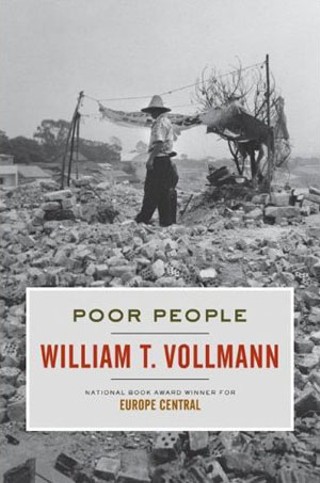
- Poor People by William Vollmann
- The Premonition: A Pandemic Story by Michael Lewis
- Private Government: How Employers Rule our Lives by Elizabeth Anderson
- Russians Among Us by Gordon Corera
- Silk Road to Ruin: Why Central Asia is the next Middle East by Ted Rall
- Spy Schools by Daniel Golden
- Stolen Focus by Johann Hari
- Talking to Terrorists: How to End Armed Conflicts by Jonathan Powell
- Tehran Children – A Holocaust Refugee Odyssey by Mikhal Dekel
- Ten Arguments for Deleting your Social Media Accounts right now by Jaron Lanier
- The Stopping Places: A Journey through Gypsy Britain by Damian Le Bas
- Success and Luck by Robert Frank
- The Trouble I’ve Seen by Martha Gellhorn
- The Value of Everything: Making and Taking in the Global Economy by Mariana Mazzucato
- View from the Ground by Martha Gellhorn
- Why Nations Fail: The Origins of Power, Prosperity and Poverty by Daron Acemoglu and James Robinson
- The Wizard and the Prophet by Charles Mann
Fiction:
- Complete Short Stories by Graham Greene
- The Confidence-Man by Herman Melville
- Demon Copperhead by Barbara Kingsolver
- I do not come to you by chance by Adaobi Tricia Nwaubani
- Europe Central by William Vollmann
- Five Decembers by James Kestrel
- A Gentleman in Moscow by Amor Towles
- The Great Gatsby by F. Scott Fitzgerald
- The Warehouse by Rob Hart

Useful information:
- My address: Andreas Moser, Heinrich-Schütz-Strasse 124, 09130 Chemnitz, Germany.
- I don’t read e-books, but I am very thankful for used books.
- If mailing books is too complicated, there are a few other ways to support this blog.
- Natürlich habe ich auch eine deutschsprachige Wunschliste.

 The Happy Hermit
Pingback: Why I hate Christmas. (Or used to.) | Publish or Perish – Andreas Moser's Blog
Very heavy reading, but books are always great gifts ( this from an ex-librarian). Can you get those non-fiction title in German?
Sure, Amazon has a German website and they also mail it to everywhere in the world. Also, I have plenty of clients in Germany, some of whom are nice enough to mail a book from my German wishlist from time to time.
Pingback: The Economics of Christmas | Publish or Perish – Andreas Moser's Blog
Pingback: Once, on a train | Publish or Perish – Andreas Moser's Blog
Pingback: Strangers on a train | Publish or Perish – Andreas Moser's Blog
Pingback: FAQ on working with me as your lawyer | Publish or Perish – Andreas Moser's Blog
Pingback: Why is German reunification celebrated on 3 October? | Publish or Perish – Andreas Moser's Blog
Pingback: How to Pay for this Blog | The Happy Hermit – Andreas Moser's Blog
I can’t believe that someone, anyone, has drawn up a book list & there’s only one on there that I’ve read! (The Dice Man – years ago)
I was involved in a book club through my work a few years ago & one of the people organising it once asked me if I read all the time when I wasn’t working. I said they had it the wrong way round – I came in and did some work sometimes when I wasn’t reading!
Btw if you don’t have a Kindle you ought to give it a go – I wasn’t sure if I would like it but I’m a bit of a Kindle convert now – it’s so convenient to buy books, & the newer Kindles are small enough to carry around inside your jacket pocket.
Pingback: Warum ich den Koran nicht einmal kostenlos lese | The Happy Hermit
Pingback: Warum ich den Koran nicht einmal kostenlos lese | The Happy Hermit
Pingback: Warum ich den Koran nicht einmal kostenlos lese | Mosereien
Pingback: Moving to Lithuania | The Happy Hermit
Pingback: 6 July is International Kissing Day | The Happy Hermit
Pingback: Shrinking Lithuania | The Happy Hermit
Have you read ‘The last escape’ by John Nichol and Tony Rennel? It’s about WW2 Prisoners of war in Germany and it’s one of my favourite books. I think you’ll like it :) though it is very sad.
Pingback: All Saints’ Night in Vilnius | The Happy Hermit
This is a great idea. if I can lay my hands on any of these I’ll definitely be sending them your way!
I’m bookmarking this lol.
Good luck. some of my favourite gifts are books too. Check out my fave reads here http://artbecomesyou.com/2013/01/03/10-books-ive-read-and-would-read-again/
cheers!
Vielen Dank für die wirklich interessanten Blogbeiträge aus aller Herren Länder, Herr Moser!
Allerdings wundert mich der ungesundene Bias, den sie zum Thema Israel/Palästina an den Tag legen, nicht, wenn ich bereits an fünfter Position Ihrer Bücher-Wunschliste das Plagiat “The Case For Israel” vom Folter-Advokaten Alan Dershowitz entdecke.
Immerhin kann man der Lektüre dieses Bestsellers auch gleich für sich in Anspruch nehmen, Joan Peters’ Hoax “From Time Immemorial” gelesen zu haben. Ein Buch, in dem sie (fälschlicherweise) behauptet, das ehemalige britische Protektorat Palästina sei im Großen und Ganzen ein Land ohne (muslimische) Einwohner gewesen.
Legen Sie Ihre Vorurteile gegenüber der palästinensischen Seite besser ab, und lesen Sie ernsthafte Bücher zur Thematik, wie z.B. Norman Finkelstein’s “Image and Reality of the Israel-Palestine Conflict”. Insbesondere aber sein Buch “Beyond Chutzpah” (alternativ die Finkelstein-Dershowitz-Debatte bei Democracy Now) sollte helfen, schlechte Kopien einer Geschichtsklitterung sachlich und fundiert zu demontieren.
Für die Zeit im ehemaligen Ostblock würde ich Ihnen “Sex, Drugs and Libel in the New Russia” von Mark Ames und Matt Taibbi empfehlen. Die ideale Lektüre für Expats.
Taibbi hat übrigens auch einen ganz witzigen Beitrag zu Broadwell’s Petraeus-Blowjob “All In” geschrieben.
http://www.vanityfair.com/culture/features/2010/02/exile-201002
Ich weiß nicht, wie ein Buch, das ich noch nicht gelesen habe, meine Meinung beeinflussen kann. Aber wie der Zufall es will, habe ich heute “The Case for Israel” von einer Leserin übersandt bekommen, so daß ich es in den nächsten Monaten lesen werde.
Vielen Dank für die anderen Empfehlungen!
Grundsätzlich glaube ich jedoch, daß die Bücher, die wir lesen, uns weniger beeinflussen als gemeinhin angenommen. Insbesondere im fortgeschrittenen Lebensalter halte ich mein Weltbild für auf breiterer Basis stehend, als daß ein Autor oder ein Buch es komplett auf den Kopf stellen könnten.
Abgesehen davon, daß ich in meinem Blog noch keine Vorurteile gegenüber Palästinensern entdeckt habe, halte ich nichts davon, eine grundsätzliche Diskussion über Israel und Palästina unabhängig von spezifischen Fragen zu diskutieren. Schließlich diskutiere ich auch nicht grundsätzlich, ob ich Deutschland oder Dänemark sympathischer finde. Ich sehe bei solchen Fragen keinen Grund, mich zu 100% auf eine Seite zu schlagen – und verdächtige konsequenterwese alle, die dies tun, der Oberflächlichkeit.
Ich denke, dass ich genug anerkannte Autoren (Morris, Segev, Maoz, Pappe, Finkelstein, Beinart…) zu dem Thema gelesen habe, um mit klarem Blick die Gründe für eine jahrzehntelange Stagnation der Friedensbemühungen in Israel/Palästina identifizieren zu können. Eine Parteinahme will ich, wenn überhaupt, nur im Sinne des Friedens in Anspruch nehmen.
Die Narrative, welche Sie in Ihren meines Erachtens sogar äusserst parteiischen ( = pro-israelischen) Beiträgen repetieren, dienen der Festigung der israelischen Okkupation, dem Landraub und Ausbau illegaler Siedlungen in der Westbank, der Ausbeutung palästinensischer Ressourcen, massiv gefördert durch die USA und Europa, welche damit auch nicht als “honest broker” in einem wie auch immer gearteten Friedensprozess gelten können.
Es ist auch im Sinne der Israelis (und damit pro-israelisch), diesen Prozess einer “creeping annexation” (und zunehmenden Unmöglichmachung einer Zweistaaten-Lösung) zu beenden und die advisory opinion des ICJ von 2004 anzuerkennen: Ost-Jerusalem, Gaza und die Westbank sind besetzte palästinensische Gebiete. Israel hat keinen Titel auf dieses Land.
Sie schreiben:
“Die Unterstützung dieses Landes, dieses einzigen Brückenkopfes westlicher Zivilisation und abendländischer Werte in der gefährlichsten Region der Welt soll “überproportional” sein?”
Ich antworte Ihnen mit Chomsky:
“The U.S. should stop at once supporting any Israeli action in the occupied territories.”
Quelle: http://www.youtube.com/watch?v=O5F3GBihGMM
Sollten Sie “Beyond Chutzpah” tatsächlich als Vergleichstitel zu “A Case For Israel” lesen, bin ich ganz zuversichtlich, dass Sie positiv überrascht werden von Finkelstein.
The House Of The Scorpion by Nancy Farmer
Candor by Pam Bachorz
Immortal Technique: Rapper/Activist
^ You mind find those books and the rapper interesting i would suggest you checking them out!
I just found you blog but i love it, im just 15 but i hope that one day i can travel the world like you!
“The purpose of life is a life with a purpose
So I’d rather die for a cause than live a life that is worthless”
—Immortal Technique
Sorry for poor spelling.
Pingback: The Law can’t Mend a Broken Heart | The Happy Hermit
Pingback: Giving Presents | The Happy Hermit
Hello,
I appreciate what you have posted about living in Germany or trying to at least. I just had a couple of questions, but before I ask anything I wanted to know if the books you wanted on the list are up to date. I don’t want to get you something you already have.
Thanks Quinn
That’s very kind of you! Yes, the list is always kept up-to-date.
Pingback: Pushy person poses paradox | The Happy Hermit
Pingback: Book Review: “The Wine-Dark Sea” by Leonardo Sciascia | The Happy Hermit
Pingback: Italy Reading List | The Happy Hermit
Pingback: Sue me! | The Happy Hermit
Hi, how does this work? I would like to help you get one of those books in exchange of your german immigration knowledge..
But how do i do this?
Your girlfriend will be able to help you with that.
Pingback: What do you expect from 2015? | The Happy Hermit
Dear Sir hope you are fine and enjoying your life.
I have a question and i hope i am not disturbing you.I am an international student from Pakistan in Germany.I have read in your website that after 8 years of residency German passport can no longer be denied.My question is that is my study duration is also included in that 8 years?
for example if i live 3 years on my bachelor degree and 5 more years then it will count 5 years or eight?
i will really apritiate if you help me out in this
thanks in advance
Because you commented on my wishlist of books, I suggest that you pick one of them and mail it to me. Then I will gladly answer your question.
Dear Andreas Moser,
I was searching for some divorce laws in Germany and came across your blog. I am really impressed by you as a person and I really enjoyed reading your blog which was full of fun facts and information. I have a question regarding filling a divorce. Me and my wife are Indians and living in Germany for the past 6 years. We came to Germany for doctoral studies, which we finished recently. We got married 4 years ago and things did not work out so we are looking for filling a divorce, mutually. We have been living separate from each other for about an year now. We got married by Indian Hindu marriage act and have no other issues such as kids or alimony. Its a mutual decision without any complications. I know that if we want to file a divorce from India we both have to go to India, which we both would like to avoid. We want to have a divorce in Germany. I read the FAQ written by you which was very informative and prompted me to contact you. I was just wondering how expensive it would be for us to get a divorce in Germany (approximately). I tried to send you your book Tatiana via Amazon, so that you might reply me :-) somehow my amazon account says that it can not deliver it. but I will try sending it again. Thanks a lot for lots of very crisp and clear information to help out people like us. Would be waiting for your reply.
I’ll be happy to tell you how much a divorce in Germany would cost you, but I would need to know both your monthly income for that. The court and lawyer’s fees are based on that.
Let’s hope the book order goes through, and then once I receive it, I’ll be happy to do the calculation of the fees. I could then also tell you if you might qualify for legal aid.
Hi Andreas, im not married- i have a son with a german citizen.i need to register my son with the german consulate and get his german passport, problem is my unabridged birth certificate is in my mom’s surname and all my documents are in my fathers surname(passport,Identity document,qualifications and so on) do you maybe know what would the german embassy/consulate require from me when i submit the passport application with different surnames?
kind regards
Trish
Because you are making this comment on my wishlist of books, you have already come very close to me answering your question. Now I am just waiting for the book. Thank you in advance!
Hi Andreas,
I emailed you on Feb 11th and send you the book “Shah of Shahs” the same day. I was wondering if you have received my email and also book as i have not received any reply from you yet.
Best Regards,
Sorry, I have not received the book yet. :(
If it will arrive this or next week, I will only get it on 23 March because I am in Israel until then.
Thanks for letting me know. Amazon says tracking is not possible, however the delivery estimate is mentioned as Monday, 23 February 2015 :(
I will check this.
The order was shipped via ASENDIA, and is lost in transit.
The estimated delivery date for the replaced order is Thursday, 19 March 2015 – Monday, 23 March 2015. So it should arrived on time :-)
Ok, that’s great news, thank you!
Hallo, any news regarding the book? :-(
Yes, I have received the “Shah of Shahs” already, thank you very much!
I am traveling in Hungary until 23 April, I hope to find time to reply to your question as soon as I return from that trip.
ok, great! Thanks.
I feel almost guilty for asking much of anything while you are on sabbatical. However, I will risk the guilt and the embarrassment. While I understand the citizenship laws intellectually, my heart says there may be hope yet. Born in Germany (1957), came to US with German Visa having been adopted by US officer (second generation German traceable to 1500’s), naturalized as a child… of course had no right to choose. Birth mother known to me however, father has never been disclosed.. Birth family fled from Prussia to Leipzig then fled to Stuttgart. I, in orphanage until 1959. At that time, Germany was still in quite a crisis. When coming to states was referred to as “War Orphan” by newspaper article with troubling and horrible repercussions. Never accepted by adoptive relatives as was cited as not really being considered “one of theirs”.. Question has haunted me my entire life with regards to returning to Germany and now have knowledge of 3 half sisters, uncles, cousins, etc., who I have communicated with by telephone, whom I would like to know. No more family in US, all are dead. So, my questions are these:(1. Are there any loopholes in German law for someone of the description above to reclaim their citizenship? (2. Alternatively, pack, move and go through normal channels, i.e. moving there, reside 8 years, etc. Please accept my apologies for such questions and for disturbing you during your travels.. What you are doing on this forum is a great kindness and a marvelous deed. Kindest Regards, Karina
Hi,
I split up with my partner, we have son (my son- almost 3 years old, and expartner have German passports, I’m Polish). I have full right to my son, but he have his name. I come over to England year ago, and my ex partner try take my son from me by German low. He went to court and he try take my son to germny. What is my rights here in England, how I can prevent.I live here, I have work here, my son will go soon to nursery. I have custody to my son and I dont know what I can do now, should I go
to court here? Please give me some advice. where I can try find help?Im really scared and distraught.
Monika Przywarska
I will happily answer your questions after you mail me one of the books from my wishlist above. Thank you!
Hi I want to know if you in fact helped the people who have gifted you books its a good trade however a bad one if its a one way street I have questions I would like help with but how do I know I will be helped in return for one of you books in your wish list? Has urser name L.’s book come threw and have you helped her / him or anyone ells who has gratefully gifted you a book?
Yes.
Pingback: The perfect parcel | The Happy Hermit
Andreas – Hope you got the book I sent. I never checked Amazon to see if it made its way to you
Dear Andreas Moser, I would like to give you a book, a cigars and coffee or whiskey?
But I would like it in person. I do this not because I owe you a favor ( because I do not) but what little I know about you, I admire you as a professional and as a person.
Please, receive my intentions or come here.
Thank you! I guess I have to come to Brazil again.
Pingback: Winston Churchill on New Year’s Resolutions | The Happy Hermit
Pingback: Prisons in Bolivia | The Happy Hermit
Mr.Moser,am absolutely not able to send any of the above books but the only offer i can give you even if u want from tomorrow. If you have any plan of visiting Uganda for safari, i will pay for you minimum accommodation for one week. But i need your help. I don’t have any one to help me here in Germany for the case of any online transaction now
I appreciate your offer, but I am very sorry, I have no idea when/if I will come to Uganda. I would certainly like to, but it’s a bit expensive to get there.
Pingback: Humboldt discovered man-made climate change | The Happy Hermit
Pingback: The young Winston Churchill on War | The Happy Hermit
Pingback: Why is my luggage so heavy? | The Happy Hermit
Pingback: Money in Politics | The Happy Hermit
Pingback: Moving to the Pacific Ocean | The Happy Hermit
Pingback: War and Peace | The Happy Hermit
You might wanna update your wishlist
Why, did you mail me a book?
Pingback: Thoughts of the Day 3 | The Happy Hermit
Pingback: Thoughts of the Day 6 | The Happy Hermit
I love the fact that you ask for books as payment. I wish more folk did this….Question: What do you do with all the books once you have loved them enough?
When I happen to finish a book while traveling far away and I need to reduce my luggage, I just leave it on the train or at the hotel, hoping that someone else will find and appreciate it.
Sometimes, I also know of friends who would enjoy the book. Then I pass it to them.
And each time I move, I have a pile of read books that I donate to the local library. I try to recycle most books in that way because I like libraries myself. This way, if you are mailing me a book, more than just me will hopefully benefit from it.
Pingback: Why I will return to Europe | The Happy Hermit
Hello Andreas,
By chance I saw your website. Lots of very interesting and helpful information. Thank you for sharing. I would like to ask you a question regarding your post “10 FAQ on citizenship law in Germany”. In there, you mentioned the following
“Germany requires the foreigner to give up his or her original citizenship in order to obtain a German passport (§§ 9 I Nr. 1; 10 I Nr. 4 StAG). There are quite a number of exceptions to this requirement (§ 12 StAG), for example if your home country does not allow you to renounce citizenship, or if the loss of your original citizenship would result in the loss of economic rights in your home country, and for all citizens of another EU country”.
As I am currently applying for German citizenship and would have the risk to loose the lots of economic rights in my country (can not be owner of real estates), can you please advise on the process to request for exceptions to the requirement to give up my original citizenship?
Many thanks in advance,
NH
1) What country are you from?
2) What kind of real estate do you own?
3) As you have already found my wishlist of books, I will gladly wait until I receive a few books as payment for my advice. Thank you very much already!
I have a question. I was born in 1965 to a married couple in Englnad (my German mother and my English father (my mother’s parents were German)). Can I apply for German citizenship? I don’t think I can because those born before 1975 are only eligible for German citizenship if their father NOT their mother was a German citizen? Is that right? I live and work in England, but am keen for a German passport because of Brexit and because my son might wish to live and work in Germany in the future…
There is a way for you. Please see no. 8 of my FAQ on naturalization from abroad.
But you would need to show strong ties to Germany and fluency in German. The naturalization would cover your son if he is still a minor and if he also speaks reasonable German.
Lastly, because you have already found my wishlist, I thank you very much in advance if you decide to send something!
Pingback: Studying history at University of Hagen | The Happy Hermit
Pingback: Two Books on North Korea | The Happy Hermit
Enjoy Adventures in the Anthropocene: A Journey to the Heart of the Planet We Made by Gaia Vince
All the best.
Oh, thank you very much!!
I am looking forward to it already.
I got the book today, the first parcel at my new address in Vienna, just one day after moving here. Such a beautiful gift, thank you very, very much!
Pingback: “The Pastures of Heaven” by John Steinbeck | The Happy Hermit
Pingback: “The Great Railway Bazaar” by Paul Theroux | The Happy Hermit
Pingback: Next trip: Canada | The Happy Hermit
Pingback: The three books that influenced me the most | The Happy Hermit
Pingback: “Persepolis” by Marjane Satrapi | The Happy Hermit
Lieber Andreas
I read your blogs , I am quite impressed with your approach . I have few questions on naturalization in Germany . How do I get in touch with you for a consultation . Thanks
Rohit Gala
Hello Rohit,
thanks a lot! Just send me an e-mail at moser@moser-law.com.
Thanks to the anonymous donor of “Night Train to Lisbon” by Pascal Mercier, which I got for my birthday!
Do you have an archive of books that were on this list?
No.
I have a few questions about German citizenship, and would be more than happy to send you something for your trouble, and your wonderful blog, but to where would you like it sent, and what would you like?
Hello Ann,
that’s very lovely!
My mailing address is at the bottom of the wishlist, and feel free to pick what you find interesting.
The more, the better, obviously. ;-)
It’s not about the price, so if you find used copies, that’s absolutely fine.
Do you have a preference for paperback books, or hardbound?
Always go for the cheapest. ;-)
But if they are the same, then paperback, to reduce the weight of the backpack.
Thanks to Jacqueline Danson for the birthday package, which included “Slow Train to Switzerland”, “Travelers in the Third Reich”, “A Room of One’s Own” and – in preparation of my upcoming stay in Stockholm – “The Almost Nearly Perfect People”.
Thank you very much for remembering my birthday!
Thanks a lot to Ann Hensel for sending “Utopia for Realists”!
Thanks for the anonymous birthday gift of “Travels with Myself and Another” by Martha Gellhorn!
There should be a few more coming soon. I’m bad when it comes to ordering books.
Ohh, thank you very, very much!!
Causing such a pleasant surprise does not strike me as bad at all. :-)
I’ve ordered the below books to your listed address. I hope you enjoy! From the titles alone, I’m tempted to buy copies for myself as well.
Along the Enchanted Way: A Story of Love and Life in Romania
Guide to the Perfect Latin American Idiot
Trieste and the Meaning of Nowhere
The Decline and Fall of Practically Everybody
Hello Cristian,
wow, that is a wonderful surprise, thank you very much indeed!! (And thank you as well for the donation to my blog. You are really very generous!)
And you picked some of the books I have wanted for a long time already. (Another client once promised the “Latin American Idiot”, but never sent it. :/ )
I would send them to you after reading them, but the postage to Florida would probably cost more. Also, I try to read books in the suitable environment, so I will probably finish the Trieste book exactly there, and the Romania book in that wonderful country.
I’ll get to your e-mail regarding German citizenship today!
I have already began to read “The Decline and Fall …”, and it is absolutely hilarious. A real gem of historiography!
Thank you very much to Vijaya-Bhaskar Gummala for sending “The Salt Path” by Raynor Winn, “Ask an Adventurer” by Alastair Humphreys, “The Spy and the Traitor” by Ben MacIntyre and “Why Women have better Sex under Socialism” by Kristen Ghodsee!
Thank you very much to Colleen Davis for sending “Late Victorian Holocausts: El Nino Famines and the Making of the Third World” by Mike Davis, “McTeague” by Frank Norris, “Educated” by Tara Westover and “Down and Out in Paris and London” by George Orwell!
Thank you very much to Amira Elbakry for “Educated” by Tara Westover, “Revolution for Dummies” by Bassem Youssef and “The Thing around your Neck” by Chimamanda Ngozi Adichie!